
A leaking soap dispenser is usually caused by the wrong soap consistency, dried product around the pump, an overfilled reservoir, a loose refill, a worn seal or a cracked internal part. To stop the leak, clean up any soap on the floor, remove the refill or reservoir, inspect the pump and connections, clean only the removable parts permitted by the manufacturer, reassemble the unit and test it. Replace damaged seals, tubes or tanks rather than relying on a drip tray to contain an ongoing fault.
This guide covers manual and wall-mounted commercial soap dispensers. If you have a touch-free unit, switch it off or remove the batteries before inspection and never immerse the electronic housing. Always follow the dispenser and soap manufacturer’s instructions where they differ from general guidance.
Deal With the Leak Straight Away
Soap on a floor can create a slip risk. Block access to the affected area if necessary, remove the leaked product and leave the surface clean and dry. The Health and Safety Executive for Northern Ireland advises businesses to clear spillages as soon as they occur.
Before opening the dispenser, place a disposable cloth or suitable container underneath it. Wear any protective equipment recommended for the soap product and avoid mixing the residue with other cleaning chemicals.
How to Stop a Soap Dispenser From Leaking
- Identify where the soap is escaping. Check the nozzle, pump joint, refill connection, bottom seam and wall behind the unit. This helps distinguish a dripping valve from a cracked reservoir or a spill caused during refilling.
- Remove the soap supply. Take out the cartridge, pouch or bulk-fill reservoir according to the manufacturer’s instructions. Do not force clips, valves or covers.
- Check the soap type. Confirm that the product is approved for the dispenser. Foam dispensers require the correct foam-soap formulation, while liquid-soap pumps may be designed for a particular viscosity.
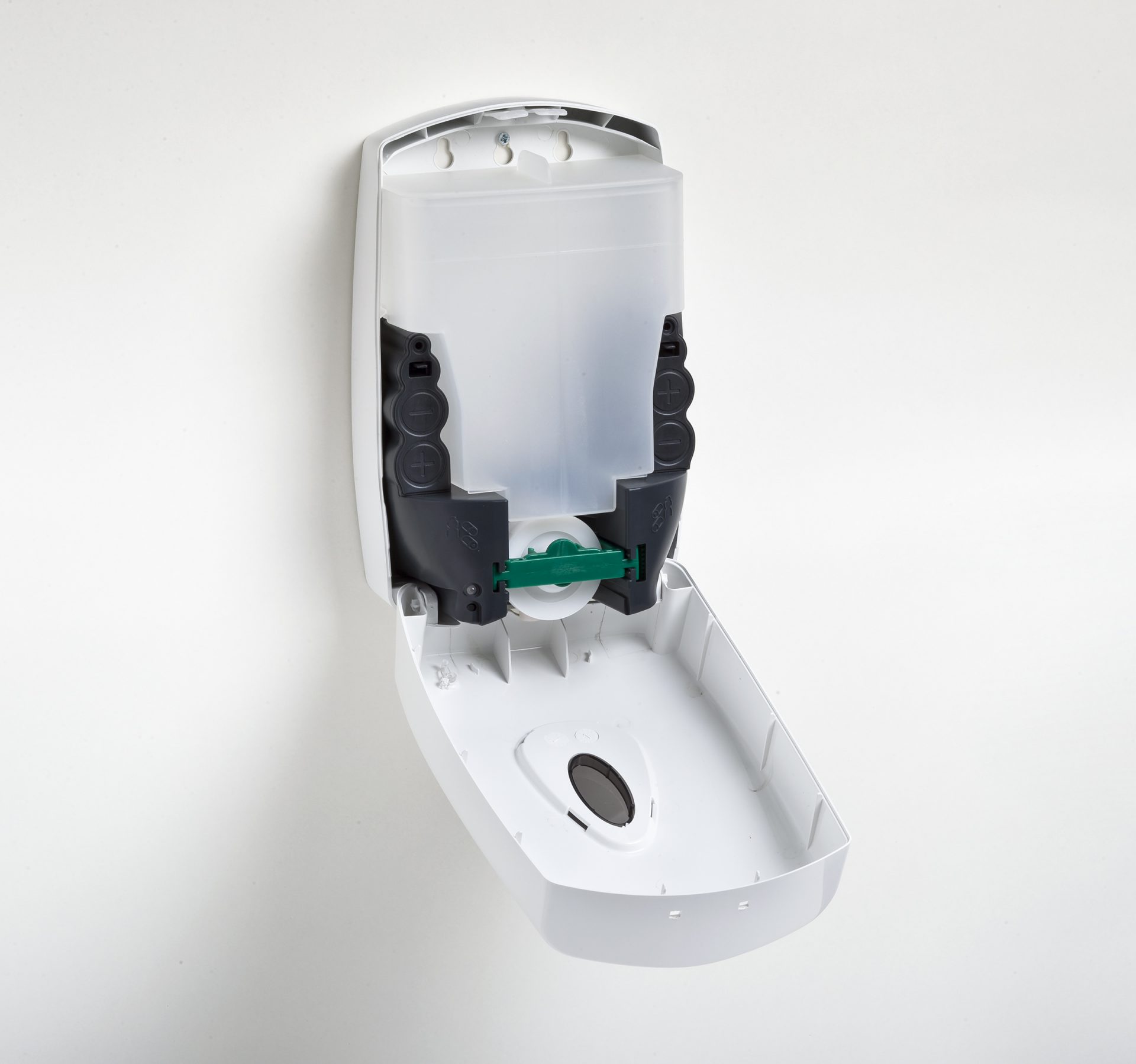
- Inspect the pump and connections. Look for dried residue, a poorly seated cartridge, a loose tube, a displaced gasket, a worn valve or visible cracking.
- Clean permitted removable parts. Follow the manufacturer’s maintenance guidance. Where allowed, rinse removable non-electrical pump components with warm water to loosen dried soap, then allow them to drain and dry fully. Do not use boiling water or sharp tools that could deform or damage the mechanism.
- Reassemble and prime the dispenser. Fit each seal, tube and refill firmly, close the cover and operate the pump several times over a sink or container. Check for leakage both while dispensing and after the unit has been left for a few minutes.
- Replace damaged parts or the dispenser. A split tank, perished seal, faulty non-return valve or damaged pump will normally need a compatible replacement component. If parts are unavailable or the casing is damaged, replace the complete unit.
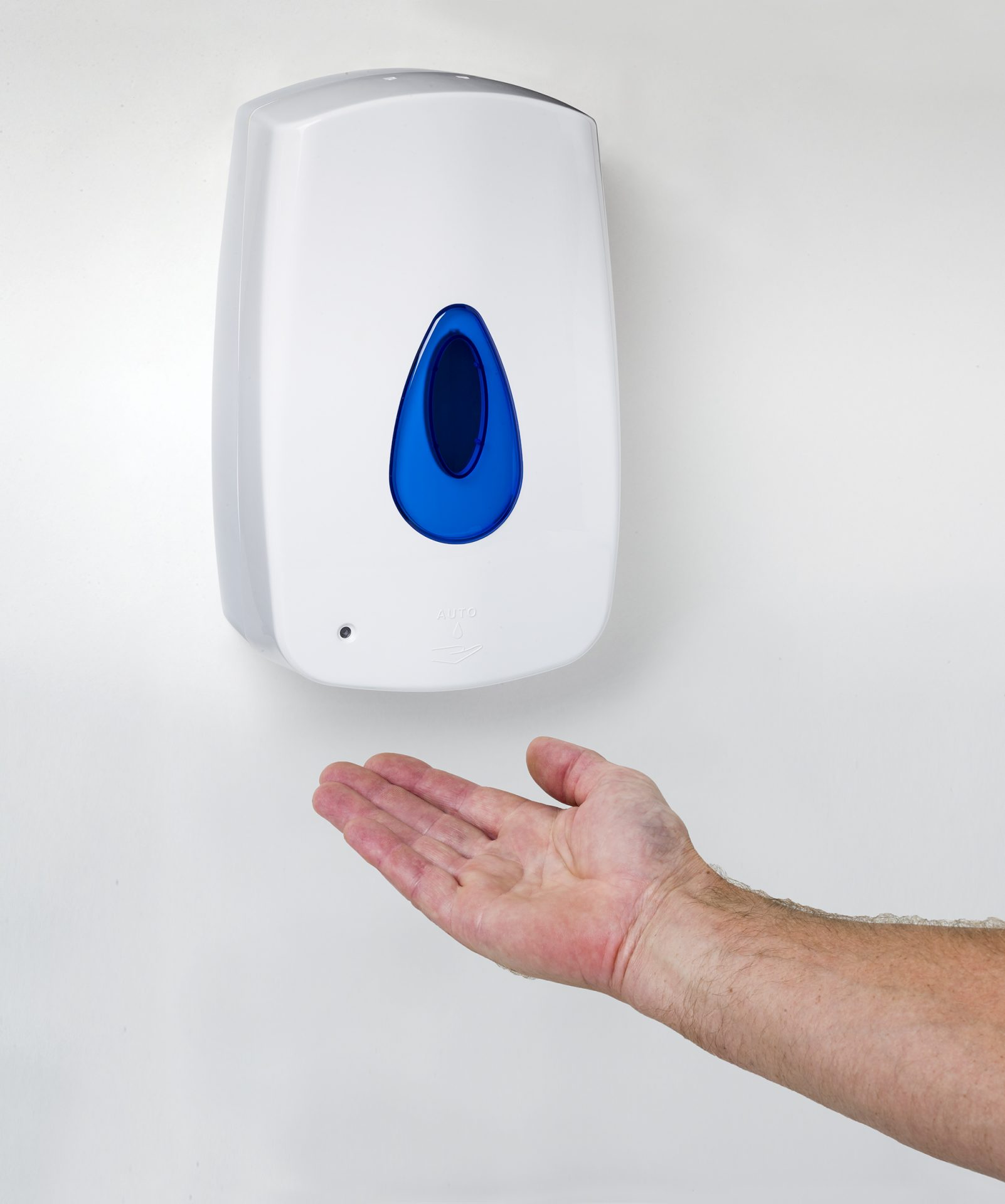
Common Causes of a Dripping Soap Dispenser
The Soap Is Too Thin or Has Been Diluted
Dispenser pumps and valves are designed to work within a particular viscosity range. A thin product can pass through a valve that would normally retain the correct soap, causing a slow drip from the nozzle. Do not dilute hand soap unless the product manufacturer expressly instructs you to do so. Empty the incompatible product safely and refill the dispenser only with an approved formulation.
If you need a suitable commercial refill, browse Cleancare’s soap, hand sanitiser and skin care products or ask the team to check compatibility before ordering.
Dried Soap Is Blocking the Nozzle or Pump
Soap residue can dry around the outlet, valve or pump, particularly where a dispenser is used infrequently. The obstruction can stop the valve from closing properly and allow product to seep out. Clean the accessible components in line with the manufacturer’s instructions and avoid pushing pins or metal tools into the nozzle.
The Refill Is Overfilled or Incorrectly Seated
Bulk-fill reservoirs can leak when filled above their stated capacity, while cartridges and pouches may drip if their connectors are not fully engaged. Check the fill line, cap, collar and connection point. Wipe away residue before refitting the refill so that you can see whether a fresh leak develops.
A Seal, Tube or Valve Is Worn
Flexible seals and internal tubes can harden, split or move out of position through use. Replace them with parts made for the dispenser model. An improvised seal or incompatible tube may fail again and can interfere with the measured dose.
The Reservoir or Casing Is Cracked
A hairline crack may only leak when the reservoir is full or when the pump is pressed. Dry the unit, add a small amount of compatible soap and watch the seams and connection points during a controlled test. Replace a cracked tank or casing; adhesive repairs are unlikely to be a dependable solution in a busy commercial washroom.
The Dispenser Is Poorly Positioned
A unit mounted unevenly, struck by users or exposed to direct heat may develop repeated faults. Check that it is securely fixed, level and positioned where hands can reach it without pulling on the casing. If the leak returns after repair, review the installation rather than repeatedly replacing the same component.
Bulk-Fill Dispensers and Hygiene
Do not simply top up a partly empty bulk soap reservoir. Empty, clean and dry a reusable container in accordance with the manufacturer’s instructions before refilling it. The US Centers for Disease Control and Prevention notes that topping off partly empty liquid-soap dispensers has been associated with bacterial contamination. Although its guidance is written for healthcare settings, the underlying advice is a useful hygiene precaution for commercial washrooms.
Sealed cartridge or pouch systems can reduce handling during replenishment and make refill changes more consistent. Businesses comparing systems can explore Cleancare’s commercial soap dispensers and wider washroom dispensing systems and refills.
Should You Repair or Replace the Dispenser?
Cleaning and refitting may solve a one-off blockage or loose connection. Replacement is usually more practical when the tank is cracked, the pump continues to drip after cleaning, compatible parts are unavailable, the lock or cover is broken, or several ageing dispensers are creating repeated maintenance work.
For a commercial site, also consider refill availability, measured dose, capacity, frequency of use and the time cleaners spend replenishing each unit. A reliable controlled-dosing system may help reduce avoidable soap use without restricting access to handwashing.
How to Prevent Future Soap Dispenser Leaks
- Use only the soap type and refill format specified for the dispenser.
- Do not dilute soap or combine different formulations.
- Avoid topping up partly empty bulk reservoirs; follow the correct emptying, cleaning and drying procedure.
- Wipe the nozzle, casing and refill connection during routine washroom checks.
- Inspect seals, tubes, valves and wall fixings when a refill is changed.
- Record recurring faults by dispenser location and model so persistent problems can be identified.
- Keep compatible replacement parts or a spare unit available at high-traffic sites.
Need Help With a Commercial Soap Dispenser?
Cleancare supplies commercial washroom supplies for workplaces across Northern Ireland, Ireland and Mainland UK. The team can help you identify a compatible soap and dispenser, review recurring faults and compare refill systems for single-site or multi-site operations.
Some businesses may also be suitable for Cleancare’s free washroom dispenser programme. Speak to Cleancare’s washroom specialists to discuss your current setup and the most practical next step.
Frequently Asked Questions
A slow overnight drip often points to soap passing through a valve that is not closing fully. Check for an incompatible or diluted soap, dried residue, a worn seal or pressure caused by overfilling. Clean and test the unit, then replace the valve or pump if the drip continues.
Not unless the manufacturer says the product and dispenser are compatible. Foam dispensers use a pump designed to mix a suitable formulation with air. Standard liquid soap may dispense poorly, block the mechanism or leak.
The air path may be blocked, the foaming mesh may contain residue, the refill may be incompatible or the pump may be damaged. Check the correct refill is fitted and clean only the components identified in the manufacturer’s instructions.
A tray can protect a surface from occasional drips, but it should not replace fault-finding and repair. An active leak still wastes soap and adds another item to clean. Identify the cause and repair or replace the dispenser.
Include dispensers in the site’s routine washroom inspection and check them whenever refills are changed. High-traffic locations may need more frequent checks. The appropriate schedule depends on usage, the dispenser system and the manufacturer’s maintenance guidance.
References
- Health and Safety Executive for Northern Ireland: Slips and trips
- US Centers for Disease Control and Prevention: Clinical Safety – Hand Hygiene for Healthcare Workers
